Floor Care & FAQs
Practical guidance for living on your floors plus answers to the questions we hear most.
Maintenance tips · Common questions · Care best practices
Scroll for care tips & FAQs
Practical guidance for living on your floors plus answers to the questions we hear most.
Maintenance tips · Common questions · Care best practices
The basics that make the biggest difference
Simple practices that protect your investment
Remove grit before it scratches. Use a soft-bristle broom or hardwood-safe vacuum setting.
Blot water and accidents right away so standing liquid never penetrates seams.
Keep felt pads under every leg and replace them as they compress or collect grit.
Capture sand, salt, and moisture at doors with washable mats inside and out.
Skip steam mops, oil soaps, or wax-based products. Stick to manufacturer-approved cleaners.
The right approach keeps floors clean without damage
What to expect at each stage of the process
Remove furniture and rugs from work areas. Empty closets if floors extend into them. Plan for pets and family members during the project.
Expect noise during sanding. Some dust will be present despite dust control. Access to work areas will be restricted while finishes cure.
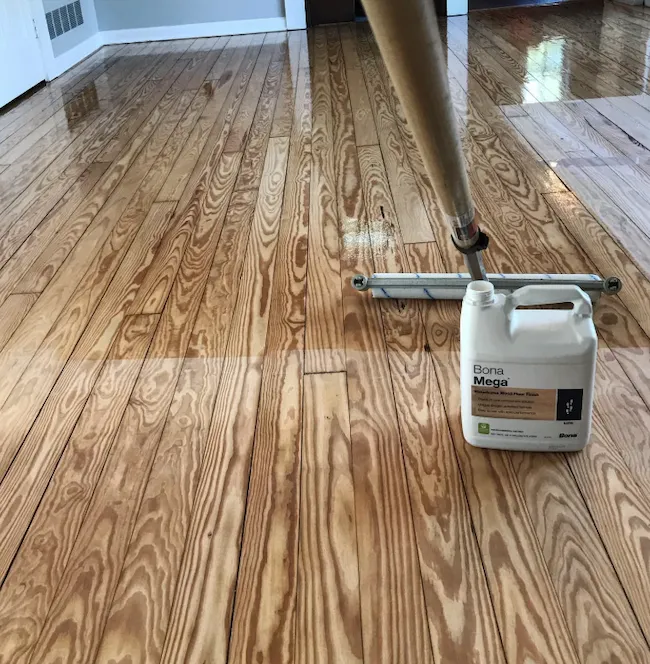
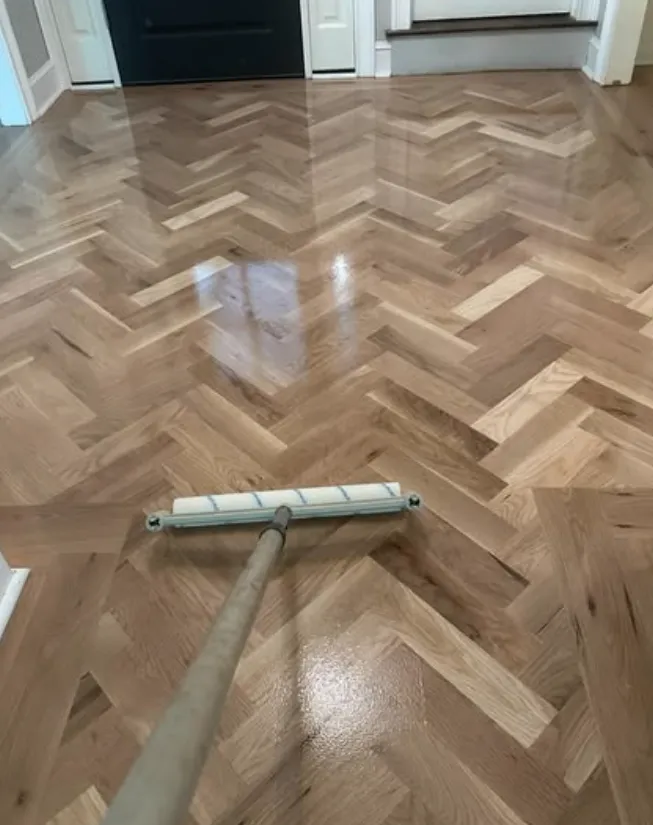
Allow adequate curing time before returning furniture or rugs. Follow care instructions based on the specific finish used on your floor.
Common questions about hardwood floors and refinishing
Most residential refinishing projects take 3-5 days from start to finish. The exact timeline depends on the size of the floor, its condition, preparation needs, and the number of finish coats. We provide a specific timeline after evaluating your floor.
Most solid hardwood floors can be refinished multiple times. Engineered floors depend on the thickness of the top veneer layer. Very thin wear layers may not allow refinishing. We evaluate your specific floor and let you know what's possible.
It depends on wear, traffic, and maintenance. Some floors need refinishing every 7-10 years. Others last 15-20 years or longer. Refinish when the finish is worn through and the wood is being damaged, not just when it looks dull.
Surface scratches and most stains can be removed through sanding. Deep scratches that penetrate beyond the sanding depth may remain visible. Pet stains that have penetrated deeply may not be completely removable. We assess damage during the estimate.
We use dust-controlled sanding equipment connected to vacuum systems, which captures most dust at the source. Some fine dust will still be present, but far less than traditional sanding. We also perform daily cleanup to minimize impact.
In most cases, yes.
Sanding does create noise and a small amount of dust, and stain or finish application can cause temporary odors. That said, our dust-controlled sanding process helps keep disruption to a minimum, and many homeowners are able to stay in their home during the project.
In many situations, you can walk on your floors again by around 5:00 PM each day, which makes it easier to continue normal routines.
If you have pets, young children, or specific sensitivities, we'll talk through your home's layout and make recommendations that work best for you.
Pets should be kept away from the work area during sanding and finishing. Noise can be stressful for animals, and finishes need time to cure without paw prints or disturbance. Plan for pet care during the project.
Initial walk-on time varies by finish type and conditions. In many cases, light foot traffic in socks is possible within the same day, while some finishes may require more time. Full curing takes longer. We provide specific guidance based on the products used on your floor.
Generally 2-4 days after the final coat, depending on the finish. Use felt pads under furniture legs and avoid dragging anything across the floor. Place cardboard or protective material under heavy items during the first week.
Wait at least 2-4 weeks before placing rugs on newly refinished floors. Finishes need air circulation to fully cure. Placing rugs too early can trap moisture and cause finish problems.
Finish odor varies by product and ventilation. Many modern finishes produce minimal odor and improve significantly within the first day, while some may take a few days to fully dissipate. Opening windows and running fans helps. Sensitivity to odor can vary from person to person.
Sweep or vacuum regularly. Use a damp (not wet) mop with a cleaner designed for hardwood floors. Avoid excessive water, steam mops, oil soaps, and wax-based products. Clean spills promptly.
Steam mops are not recommended for hardwood floors. Excessive moisture and heat can damage the wood and finish over time. Stick to damp mopping with appropriate cleaners.
Use felt pads under all furniture legs. Replace pads periodically as they wear down. Avoid dragging furniture across floors. Lift and carry when moving items.
High heels, especially those with worn tips, can dent hardwood floors. Encourage guests to remove shoes or provide protective floor mats in high-traffic areas.
Yes. All furniture, rugs, and items must be removed from the work area before refinishing begins. We can discuss furniture moving assistance during the estimate if needed.
If hardwood floors extend into closets, they should be emptied. Dust and finish odors can affect items left in closets during work.
Refinishing is done carefully along edges to avoid damaging baseboards and trim. Some contact is unavoidable during edge sanding. Existing paint or finish on trim may show minor wear after the project.
We're here to help with any specific concerns
If your question isn't answered here, contact us. We're happy to discuss your specific situation and provide guidance.
Get in Touch